
You’re using AI-powered tools every day.
But did you know some of them have already been upgraded with a technology called WebMCP – and nobody really told you?
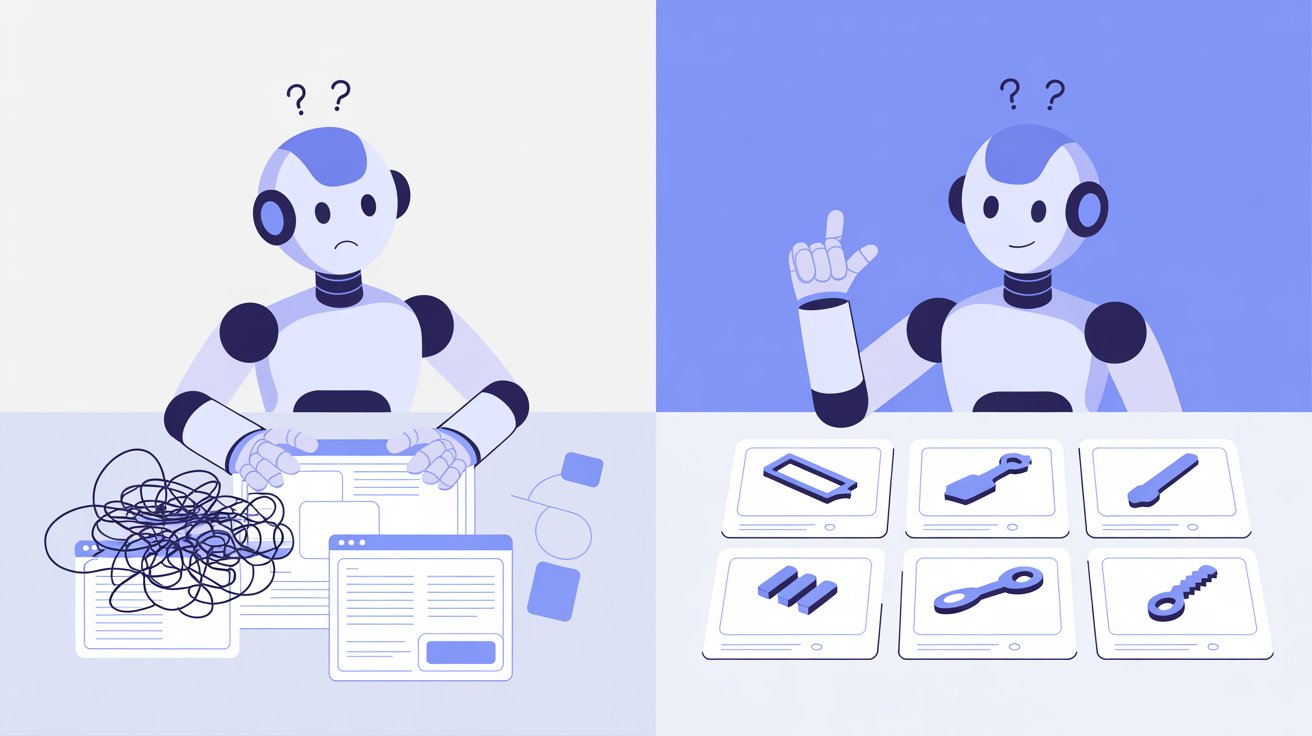
WebMCP is a new browser standard developed by Google and Microsoft that lets AI agents interact with websites through direct tool calls – instead of slowly reading your screen like a robot trying to find a light switch.
The result? Faster actions. Smarter responses. Less guesswork.
And the surprising part – some of the tools you already use are quietly running on it.
Top 5 Tools Already Using WebMCP:
1. Easely – The AI Design Tool That Listens Like a Human
You know those design tools where you just type what you want and it happens?
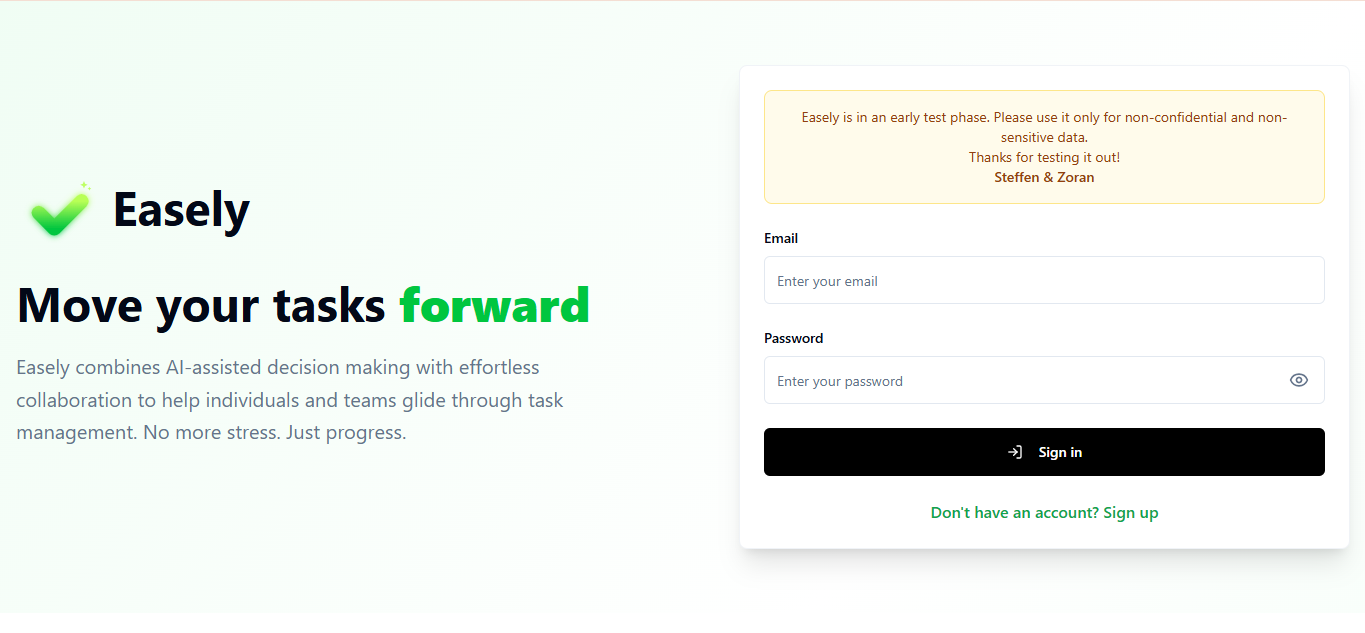
Easely is one of the first real-world tools to implement WebMCP in a live product.
Here’s how it works in practice:
A user types – “Change the title to Yard Sale Extravaganza and create three versions with different CTAs.”
And within seconds, it’s done.
No clicking through menus. No dragging elements. No formatting headaches.
How? WebMCP.
Instead of the AI guessing which button to click, Easely exposes its design functions as WebMCP tools – so the AI knows exactly what actions are available and executes them directly.
The result is a design workflow that feels less like using software and more like talking to a creative assistant who actually listens.
Why it matters for you: If you’re a marketer or agency owner creating creatives for clients, tools like Easely are about to save you hours every single week.
2. Claude in Chrome – Anthropic’s Browser Agent

You’ve probably heard of Claude – Anthropic’s AI assistant.
But Claude in Chrome is a different beast.
It’s a browsing agent – meaning it doesn’t just answer questions, it actually goes into your browser and does things for you.
Book a meeting. Fill a form. Pull data from a dashboard. Navigate a SaaS tool.
Right now, browser agents like Claude in Chrome work by reading your screen, interpreting the UI, and figuring out what to click.
It works – but it’s slow and sometimes unreliable.
WebMCP changes that entirely.
As more websites adopt the WebMCP standard, Claude in Chrome will shift from screen-reading to direct tool calls – making every browser task dramatically faster and more accurate.
Why it matters for you: Think of every repetitive browser task you do – pulling reports, updating records, checking dashboards. Claude in Chrome, powered by WebMCP, is being built to handle all of that for you.
3. ChatGPT Desktop App – OpenAI’s Quiet Power Move
In March 2025, OpenAI officially adopted MCP – the protocol that WebMCP is built on – and integrated it across its products, including the ChatGPT Desktop App.
This wasn’t a small update. This was a signal.
OpenAI essentially said – “The future of AI isn’t just answering questions. It’s taking actions.”
The ChatGPT Desktop App can now connect with external tools, pull live data, and execute tasks – all through structured MCP tool calls.
And as WebMCP becomes the browser standard, expect the ChatGPT agent to start interacting with web-based dashboards and SaaS tools the same way.
Why it matters for you: If you’re using ChatGPT for business tasks, its capabilities are about to go way beyond text generation. It’s quietly evolving into an agent that can work inside your tools – not just alongside them.
4. Replit – Where AI Meets Your Code in Real Time
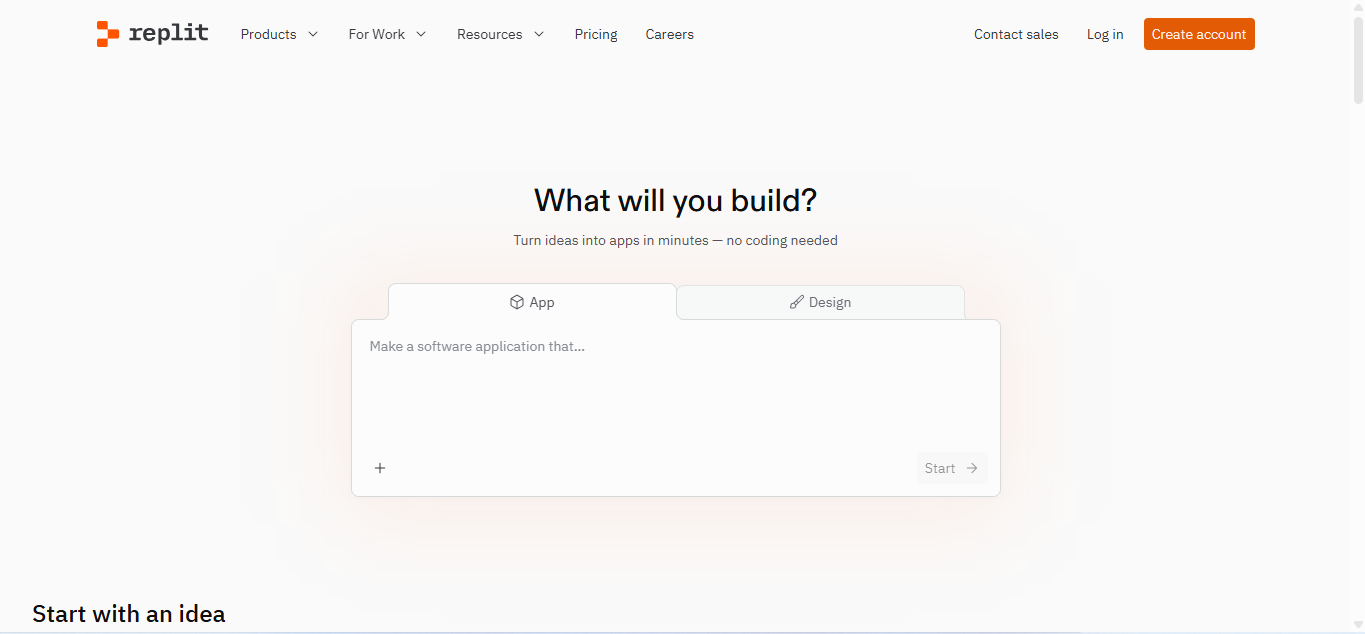
Replit is a browser-based coding platform used by millions of developers worldwide.
And it’s already deep into the MCP ecosystem.
Replit uses MCP to give its AI coding assistant real-time access to your project context – understanding your files, your errors, your dependencies, all at once.
No more copy-pasting code into ChatGPT and explaining the situation from scratch.
Replit’s AI already knows what you’re working on.
With WebMCP entering the picture, this gets even more powerful – the AI won’t just read your code, it’ll be able to interact with the IDE interface directly through declared browser tools.
Why it matters for you: If you have developers on your team or build tools for clients, Replit-style AI coding environments are where the most productive developers will be working in the next 12 months.
5. Sourcegraph – The Code Intelligence Tool Most People Overlook
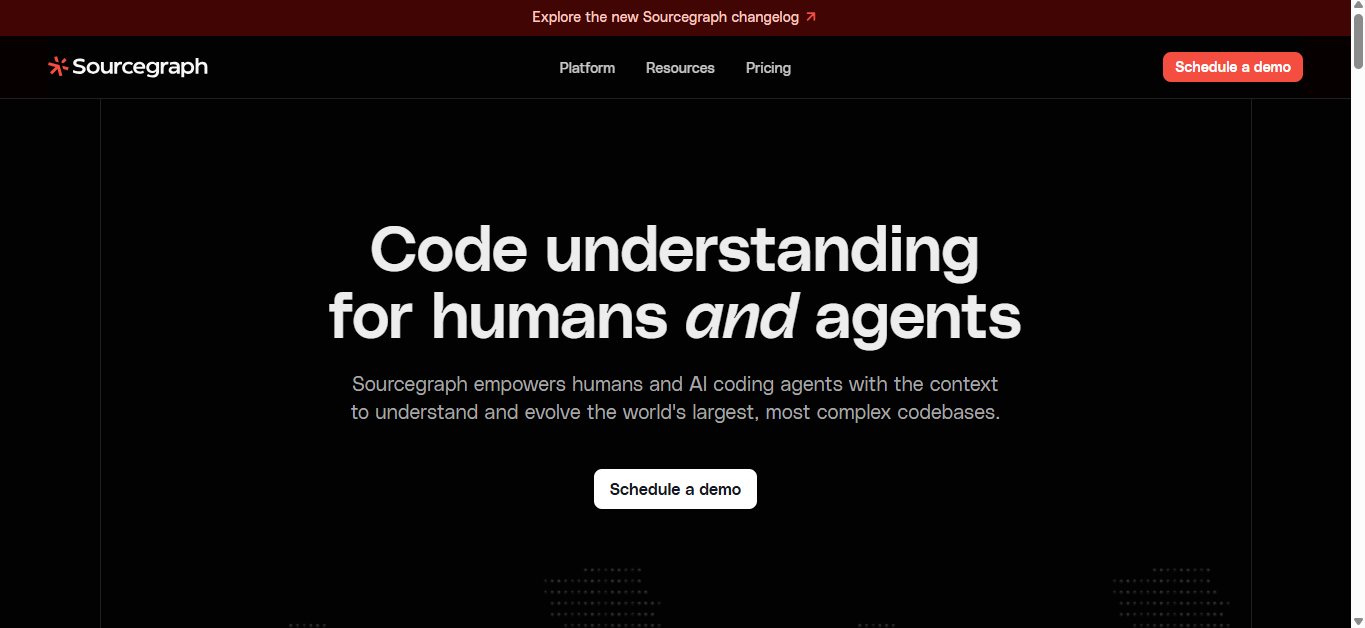
Sourcegraph is not a household name – but in the developer world, it’s incredibly powerful.
It’s a code intelligence platform that lets teams search, navigate, and understand large codebases in real time.
And it’s one of the early adopters of MCP for AI integration.
Sourcegraph uses MCP to connect its AI assistant – called Cody – directly to live code repositories.
Instead of the AI guessing what your codebase looks like, Cody knows – because MCP gives it direct, structured access.
As Sourcegraph operates inside the browser, WebMCP adoption is a natural next step – allowing Cody to interact with the interface through clean tool calls instead of slow UI interpretation.
Why it matters for you: If your business builds software or manages a dev team, tools like Sourcegraph are becoming the difference between a team that ships fast and one that’s constantly debugging context.
The Bigger Picture
These 5 tools are just the beginning.
Google has already released the first browser implementation of WebMCP under an early preview flag.
As Chrome and Edge adopt it natively, every SaaS dashboard, CMS, and web tool you use today could become WebMCP-enabled within the next 12–18 months.
The web isn’t just going to be read by AI anymore.
It’s going to be operated by it.
And the businesses that understand this shift early – will be the ones who stay ahead.
WebMCP isn’t coming — it’s already here.
Tools like Easely, Claude in Chrome, ChatGPT Desktop, Replit, and Sourcegraph are either fully using it or actively building toward it.
The shift is simple: AI is moving from being a text assistant to being a web operator.
And the businesses that understand this early — and start optimizing their digital presence for AI-agent interaction — will be the ones that stay ahead of the curve.
The question isn’t whether WebMCP will become the standard.
The question is — will your business be ready when it does?