SEO Strategies 2026 Summary
- Zero-click searches hit 69% — most users never click any website
- AI Overviews replaced 83% of featured snippets
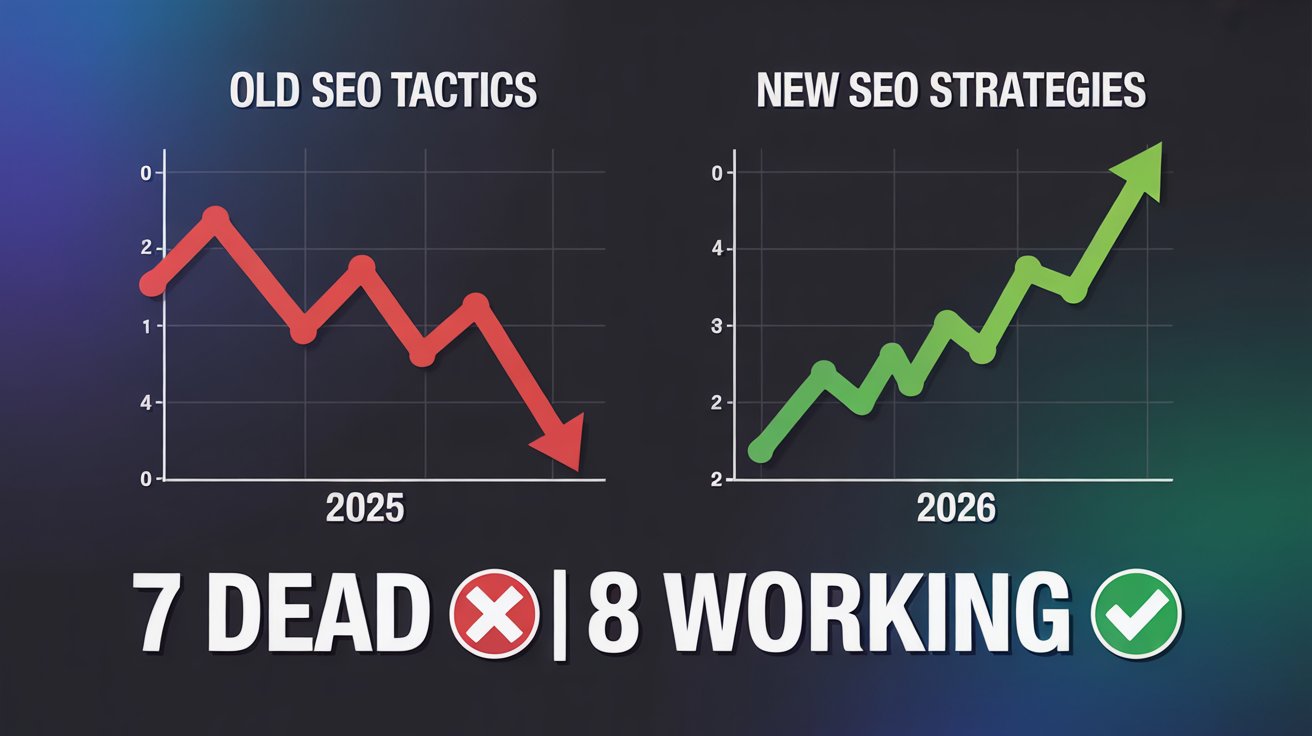
- Old SEO strategies are dead — ranking on Google isn’t enough anymore
- Generative Engine Optimization (GEO) is the new SEO
- AI-referred traffic converts 23x better than traditional organic
Why SEO Strategies in 2026 Look Nothing Like Before
If you’re searching for SEO strategies that actually work in 2026, you’re in the right place. But fair warning – most of what worked in 2024 is now completely dead.
I’ve been doing SEO for 8+ years. I’ve seen every major Google algorithm update – Penguin, Panda, BERT, Helpful Content. Survived them all.
But the SEO changes in 2025? Nothing prepared me for this.
One of my e-commerce clients lost 35% traffic in THREE WEEKS after Google’s December update. No black hat stuff. No spammy links. Just old-school SEO tactics that worked perfectly six months ago.
That’s when it hit me – the game hasn’t just changed. It’s a completely different sport now.
Zero-Click Searches: The Biggest SEO Challenge in 2026
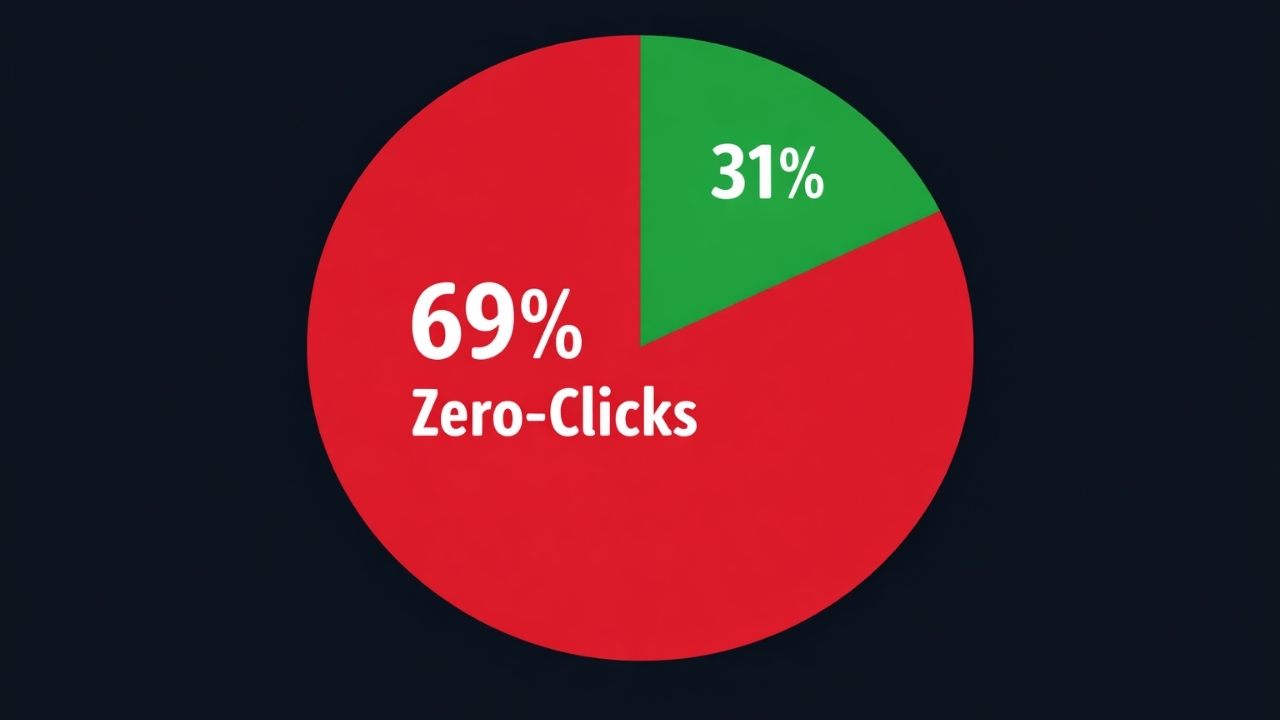
69% – that’s how many Google searches now end without a single click. This is the zero-click search problem every SEO professional is talking about.
Let that sink in. You could rank #1 for a keyword – the thing we’ve been chasing for years – and 7 out of 10 people will never visit your site. They get their answer from Google AI Overviews and move on.
I showed this stat to a client last month. His response? “Then why the hell am I paying for SEO?”
Fair question. But here’s the answer: SEO isn’t dead. The old way of doing SEO is dead. There’s a big difference.
Key SEO Statistics for 2026 You Must Know
- Zero-click searches: Jumped from 56% to 69%
- AI Overviews impact: Appear in 16% of all searches
- Featured snippets replaced: 83% now show AI Overviews instead
- Organic CTR drop: 61% lower when AI Overviews appear
- ChatGPT users: 800 million weekly (doubled in 8 months)
- AI traffic conversion: 23x better than traditional organic
7 Dead SEO Strategies in 2025 (Stop Using These)
These outdated SEO tactics might have worked before, but they’re hurting your rankings now.
1. AI Content Without E-E-A-T Signals
When ChatGPT launched, everyone thought they’d found the secret to content marketing. Pump out 50 AI articles a month. Watch traffic grow. Easy money.
And for a while, it worked. Some AI content actually ranked.
Then Google introduced the Authenticity Score in their December 2025 update. This directly impacts E-E-A-T (Experience, Expertise, Authoritativeness, Trust).
What Google’s E-E-A-T Algorithm Checks Now:
- Did a real human actually experience this topic?
- Are there original photos, screenshots, or data?
- Any unique insights that AI couldn’t generate?
Sites churning pure AI-generated content saw 50%+ traffic drops overnight.
The Fix: Use AI as a starting point. Then add YOUR experience, YOUR stories, YOUR opinions. That’s what E-E-A-T optimization actually means in 2026.
2. Keyword Stuffing for Informational Queries
Old keyword research strategy: Find 10,000 informational keywords. Create content for each. Build topical authority. Win.
That SEO tactic is broken now.
AI Overviews appear for 84% of informational queries. Someone searches “how to fix a leaky faucet”? Google answers it directly. No click needed.
Had a client ranking #1 for a bunch of “how to” keywords. Beautiful rankings. Great for reports. Actual clicks? Pathetic.
New SEO strategy: Become the source that Google’s AI cites. Not just the page that ranks.
3. Fake Author Bios (Entity SEO Matters Now)
This one stings because I definitely did this back in the day.
The formula: Create author page + stock photo + impressive credentials = E-E-A-T fixed!
Except Google got smart. They now use Entity SEO and Entity Recognition – cross-referencing your claimed expertise against the entire internet.
How Google Verifies Author Expertise:
- Are you mentioned on industry websites?
- Do you have a Google Knowledge Graph presence?
- Been quoted in publications?
- Can they verify your credentials exist?
If you claim to be an expert but have zero presence outside your own website – Google’s algorithm knows.
4. Featured Snippets Optimization (83% Replaced)
Featured snippets – Position Zero – was the holy grail of SEO. We all chased it.
I spent countless hours formatting content just right to grab that box.
AI Overviews replaced 83% of featured snippets. All that optimization work? Mostly wasted now.
5. Using Traffic as Primary SEO KPI
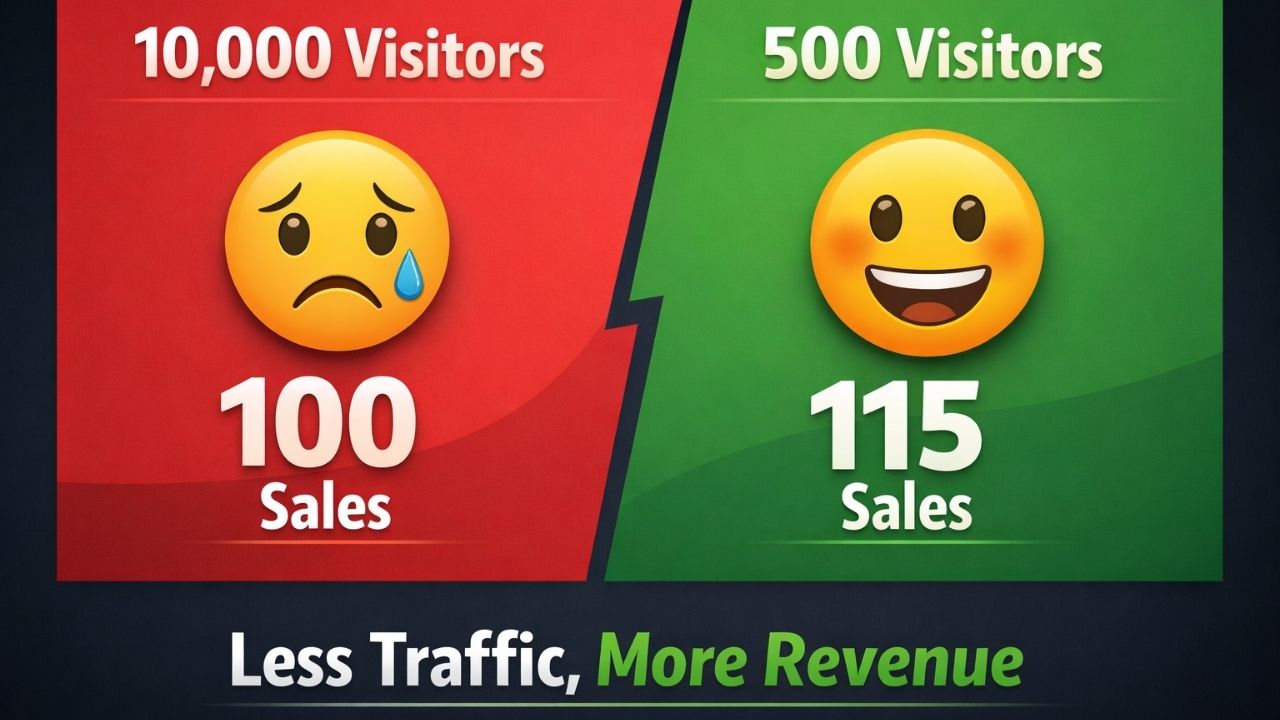
This SEO metric mindset shift was hard for me. More visitors = better SEO. I believed this my entire career.
But when 70% of searches result in zero clicks, traffic becomes a broken metric.
Here’s the interesting part: Traffic from AI sources converts 23x better.
Fewer visitors. But way more valuable. Quality over quantity is the new SEO mantra.
6. Skyscraper Content Technique (Without Original Data)
The skyscraper technique was gold: Find what ranks. Make yours longer. Build backlinks. Outrank.
Worked great. Until AI could summarize content better than humans.
Now Google looks for “information gain” – new information that wasn’t available before. Rehashing existing content in a fancier format doesn’t work anymore.
7. Google-Only SEO (Ignoring Multi-Platform Search)
If your SEO strategy is only “rank on Google” – you’re missing half the picture.
Where People Search in 2026:
- ChatGPT: 800M weekly users (doubled in 8 months)
- YouTube SEO: Second largest search engine in the world
- TikTok Search: Where Gen Z starts their search journey
- Reddit SEO: Heavily cited in AI Overviews and Google results
Only optimizing for Google = invisible on platforms where your audience actively searches. This is why Search Everywhere Optimization matters.
8 SEO Strategies That Actually Work in 2026
These are the new SEO techniques driving real results for my clients right now.
1. GEO: Generative Engine Optimization
Generative Engine Optimization (GEO) is the biggest shift in SEO history. Pay attention.
Old SEO: Rank on Google
GEO Strategy: Get CITED by AI systems like ChatGPT, Perplexity, and Google AI Overviews
When someone asks ChatGPT or Perplexity a question, those tools pull information from various sources. Your goal with GEO optimization? Be one of those cited sources.
How to Optimize for Generative AI:
- Create content with clear, quotable facts and statistics
- Use schema markup to help AI understand your content
- Build brand mentions across multiple platforms
- Structure content so AI can easily parse and cite it
Companies implementing GEO strategies are seeing 800% increase in AI referral traffic.
2. Building Verifiable E-E-A-T Signals
Since Google can verify E-E-A-T (Experience, Expertise, Authoritativeness, Trust) through Entity Recognition, you need to build real, verifiable expertise.
How to Build Real Authority:
- Get mentioned and quoted on industry websites
- Appear on podcasts in your niche
- Speak at conferences and webinars
- Write guest posts for authoritative sites
- Build your Google Knowledge Graph presence
Slower than fake bios. But this authority building strategy actually works long-term.
3. Original Research & Proprietary Data
This is your unfair advantage in content marketing. AI can summarize existing information, but it cannot create original data.
When you publish original research, surveys, or case studies – YOU become the source everyone cites. Including AI.
Easy Ways to Create Original Data:
- Survey your existing customers
- Analyze your internal business data for trends
- Run experiments and publish the results
- Create industry benchmarks from your client work
4. Schema Markup for AI Visibility
Schema markup isn’t new. But its importance for AI SEO has exploded.
Content with proper structured data sees 30-40% higher visibility in AI-generated answers.
Essential Schema Types for 2026:
- FAQ Schema: For question-answer content
- HowTo Schema: For instructional content
- Author Schema: For E-E-A-T signals
- Organization Schema: For brand authority
Technical, boring, and most competitors skip it. Exactly why it’s an opportunity.
5. Brand Mentions Over Backlinks
For 20 years, backlinks were everything in SEO.
2026 reality: Unlinked brand mentions are almost equally powerful for rankings.
AI systems scan everything about your brand – reviews, Reddit threads, social media, news coverage. They use this brand sentiment to decide whether to recommend you.
Important: If your product/service has real problems, SEO can’t save you anymore. AI will find the negative sentiment. Product quality is now an SEO ranking factor.
6. Multi-Platform SEO Strategy
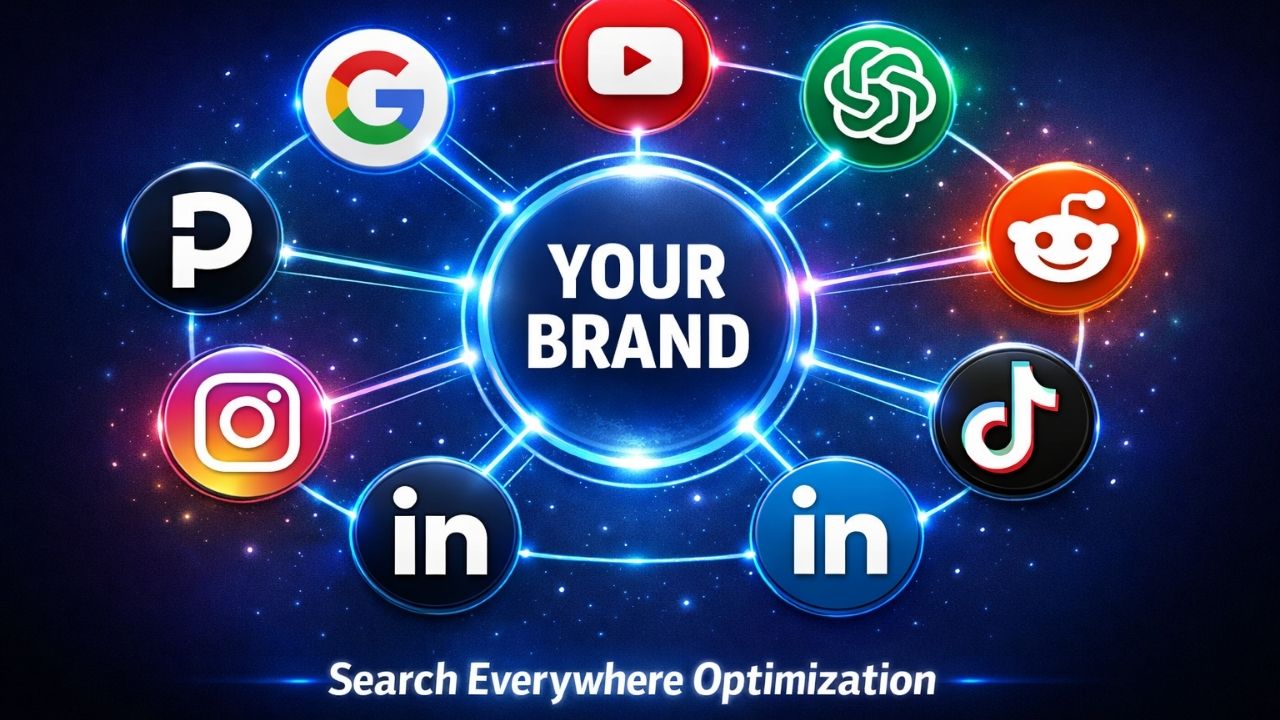
People search on multiple platforms. Your SEO strategy needs to cover all of them.
Platform Priority by Business Type:
For B2B: LinkedIn, YouTube, Podcasts, Industry Forums
For B2C: Reddit, TikTok, Instagram, YouTube
AI systems prefer citing diverse sources. Multi-platform presence increases your chances of being cited in AI answers.
7. Content Freshness & Regular Updates
AI platforms prefer citing fresh content. Research shows they favor content that’s about 25% newer than what traditional search typically surfaces.
That article you wrote in 2023? It’s outdated content now. Update it or watch it disappear from results.
Content Freshness Checklist:
- Update statistics and data points quarterly
- Add “Last Updated: [Date]” to all content
- Refresh examples and case studies annually
- Remove outdated information immediately
8. Conversion-Focused SEO Metrics
Stop obsessing over traffic numbers. Start measuring what actually drives revenue.
New SEO KPIs to Track:
- Share of voice in AI-generated responses
- Brand mention rate across platforms
- Conversion rate by traffic source
- Revenue per visitor (not just visit count)
- AI citation frequency for your brand
Pro Tip: Ask ChatGPT and Perplexity questions about your industry regularly. See if your brand gets mentioned. Make this part of your SEO monitoring routine.
SEO Action Plan: 3 Steps to Start Today
Ready to implement these SEO strategies for 2026? Here’s where to start – takes less than 1 hour.
Step 1: Check Your AI Visibility
Open ChatGPT. Ask 5 questions related to your business. Does your brand come up in the AI-generated answers? If not – you know you have work to do.
Step 2: Implement FAQ Schema
Add FAQ schema markup to your top 3 pages. It’s free, takes 30 minutes max, and can boost your AI visibility by 30-40%.
Step 3: Update Your Oldest Content
Find your oldest high-performing article. Update the stats, add fresh perspective, add “Last Updated: January 2026” to improve content freshness signals.
Small steps. But they compound over time.
Frequently Asked Questions About SEO in 2026
Is SEO dead in 2026?
No, SEO is not dead. But traditional SEO tactics are increasingly ineffective. The focus has shifted from ranking on Google to getting cited by AI systems. This new approach is called Generative Engine Optimization (GEO).
What is Generative Engine Optimization (GEO)?
GEO (Generative Engine Optimization) is the practice of optimizing your content to be cited by AI systems like ChatGPT, Perplexity, and Google AI Overviews. It focuses on creating quotable content, using schema markup, and building brand mentions across multiple platforms.
How do I optimize for AI Overviews?
To optimize for Google AI Overviews: Create content with clear facts and statistics, implement proper schema markup, build E-E-A-T signals through verifiable expertise, and maintain content freshness with regular updates.
Do backlinks still matter for SEO?
Yes, backlinks still matter, but brand mentions (even without links) are now almost equally important. AI systems evaluate your brand’s overall sentiment across the web, including reviews, social media, and forum discussions.
Final Thoughts on SEO Strategy for 2026
I’m not going to pretend I have all the answers.
The SEO landscape is evolving fast. Anyone who claims they’ve figured it all out is lying.
But here’s what I know for sure: The SEO strategies that worked two years ago are increasingly useless. Businesses that adapt to AI-first search will thrive. Those that don’t will keep wondering where their traffic went.
I’m still learning too. Making mistakes. Adjusting.
If you want to chat about any of this – whether you need help or just want to compare notes – reach out. Always happy to talk shop.
